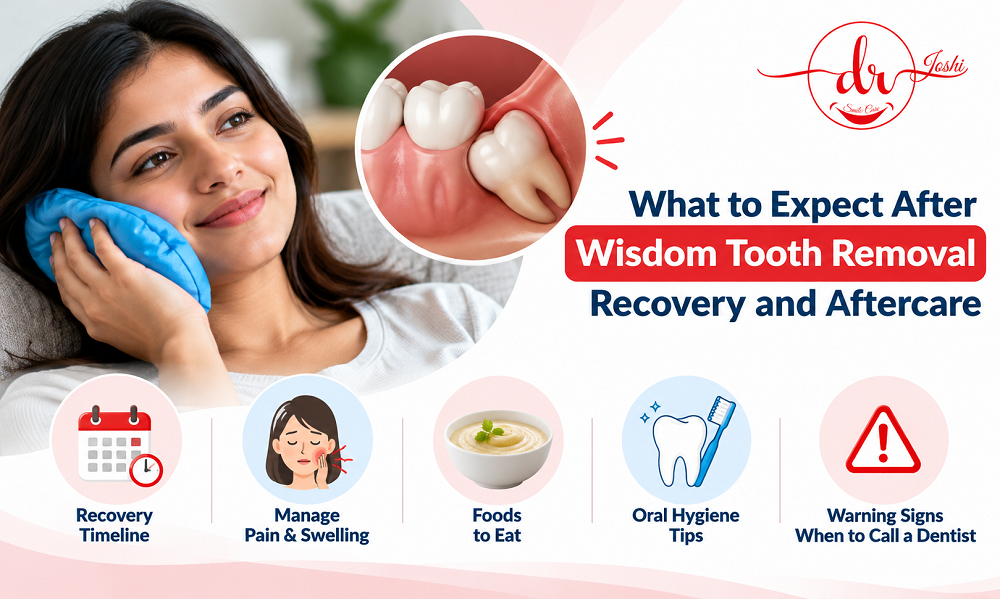
Wisdom tooth removal recovery usually takes several days to two weeks, depending on the complexity of the extraction and your individual healing process. Pain, swelling, jaw stiffness and mild bruising can occur during the first few days. Following your dentist’s aftercare instructions, eating soft foods and protecting the blood clot can help support healing and reduce the risk of complications.
Key Takeaways
Pain and swelling are common after wisdom tooth removal and should generally begin to improve after the first few days.
Eat soft, nutritious foods and avoid hard, crunchy or very hot foods while the extraction site heals.
Avoid smoking, straws and vigorous rinsing during the initial healing period because they may disturb the blood clot.
Brush carefully and begin gentle rinsing at the time recommended by your dentist.
Seek prompt dental advice for severe or worsening pain, persistent bleeding, fever, pus or increasing swelling.
How Long Does Wisdom Tooth Removal Recovery Take?
Wisdom tooth removal recovery depends on whether the tooth was fully erupted, partially impacted or buried beneath the gum. A straightforward extraction may heal more quickly than surgical removal of an impacted wisdom tooth.
Many people notice the greatest discomfort and swelling during the first two or three days. These symptoms should then gradually improve, although jaw stiffness, bruising and tenderness can persist for a week or two. Complete healing of the extraction socket takes longer than the initial improvement in symptoms.
Wisdom Tooth Recovery Timeline
Time after extraction
What you may experience
What to do
First 24 hours
Numbness wearing off, mild bleeding or oozing, and the beginning of soreness
Rest, follow your dentist’s bleeding-control instructions and protect the blood clot
Days 2–3
Swelling, tenderness and jaw stiffness may become more noticeable
Use a cold pack as directed, eat soft foods and take recommended medication
Days 4–7
Pain and swelling should generally begin to improve
Continue gentle oral hygiene and gradually increase food texture as tolerated
Week 2
Most initial discomfort should have settled, although some tenderness may remain
Continue following your dentist’s instructions and attend any recommended review
Following weeks
Deeper tissues continue healing
Seek advice if symptoms persist, return or worsen rather than steadily improving
This is a general guide, not a guaranteed schedule. Surgical complexity, existing infection, health conditions and individual healing can affect recovery.
What Is Normal After Wisdom Tooth Extraction?
Some discomfort after wisdom tooth extraction is expected. Knowing which symptoms usually accompany healing can help you decide when to seek advice.
1. Pain and tenderness
Pain often becomes noticeable as the local anaesthetic wears off. The discomfort should generally become easier to manage over the following days.
Take pain medication only as directed by your dentist or the medicine’s instructions. Tell your dentist about your medical conditions, allergies and other medicines before taking a new pain reliever.
Severe pain, pain that is getting worse instead of better, or pain that is not controlled by the recommended medication needs dental assessment.
2. Swelling after wisdom tooth removal
Swelling of the cheek and surrounding tissues is common, particularly after surgical extraction. It may increase during the first two or three days before gradually settling.
A cold pack wrapped in a cloth may help when applied externally for short intervals, following your dentist’s instructions. Never apply ice directly to the skin.
Contact your dentist if swelling continues to increase after the initial few days, returns after improving, or occurs with fever, pus or worsening pain.
3. Jaw stiffness and bruising
Opening your mouth may feel uncomfortable for several days. Bruising around the cheek or jaw can also occur, particularly after a more complicated extraction.
Choose foods that require little chewing and avoid forcing your mouth open. If jaw movement becomes increasingly difficult or does not improve as expected, ask your dentist for advice.
4. Mild bleeding or blood-stained saliva
A small amount of blood mixed with saliva can occur during the first day. Follow the instructions provided by your dentist for controlling bleeding.
If bleeding restarts, sit upright and apply firm, continuous pressure with clean gauze over the extraction site as instructed. Do not repeatedly remove the gauze to check the wound.
If bleeding remains heavy or does not stop with sustained pressure, obtain urgent dental care.
What Should You Do After Wisdom Tooth Extraction?
Good wisdom tooth removal aftercare focuses on protecting the blood clot, controlling discomfort and keeping your mouth clean without disturbing the healing wound.
During the first 24 hours
Rest and avoid strenuous exercise.
Keep pressure on the gauze for the duration advised by your dentist.
Do not rinse vigorously, spit forcefully or repeatedly touch the socket with your tongue or fingers.
Avoid using straws because suction can disturb the blood clot.
Choose cool or lukewarm, soft foods when you can eat safely.
Avoid smoking, alcohol and very hot drinks.
Use prescribed or recommended medication according to the instructions you receive.
The blood clot is important because it protects the extraction socket while healing begins.
From the second day onwards
Begin gentle warm salt-water rinses when advised, especially after meals.
Brush your other teeth carefully, avoiding direct trauma to the extraction site.
Continue eating soft foods until chewing becomes comfortable.
Gradually return to normal activities as your symptoms allow and your dentist advises.
Keep any follow-up appointment recommended by your dentist.
Your dentist’s instructions take priority because the appropriate care may differ after a simple extraction, surgical removal or sedation.
What Foods Can You Eat After Tooth Extraction?
After wisdom tooth removal, choose foods that are soft, nutritious and easy to swallow. Avoid anything that may injure the wound or become trapped in the socket.
Food category
Suitable examples
Foods to avoid initially
Soft meals
Khichdi, soft dal, mashed potatoes and well-cooked porridge
Hard roti, crusty bread and crunchy snacks
Protein-rich foods
Soft scrambled eggs, smooth paneer preparations and soft fish, if part of your diet
Tough meat or chewy foods
Dairy and soft snacks
Plain yoghurt, smooth curd and soft pudding
Foods containing hard nuts or seeds
Fruits
Mashed banana, applesauce and soft fruit puree
Hard fruit pieces and fruits with small seeds that may enter the socket
Soups
Smooth, cooled or lukewarm soups
Very hot soup or soup containing hard chunks
When can you return to your normal diet?
Start with soft foods and increase texture gradually as comfort improves. Chew away from the extraction site where possible.
There is no single day when everyone can resume every food. If you had a difficult surgical extraction, you may need a longer period of dietary modification.
Drink water regularly. Avoid alcohol during the initial healing period and follow your dentist’s advice about when it is safe to resume it.
How Should You Clean Your Mouth After Wisdom Tooth Removal?
Oral hygiene remains important after extraction, but the wound needs gentle handling.
During the first 24 hours, avoid vigorous rinsing and spitting unless your dentist gives different instructions. These actions may dislodge the blood clot.
From the following day, many patients can gently rinse with warm salt water after meals, as advised by their dentist. Brush the other teeth carefully and avoid scrubbing the socket or disturbing any stitches.
Do not use a forceful water flosser or place cleaning tools inside the extraction socket unless your dentist specifically instructs you to do so.
If food becomes trapped in the area, ask your dentist how to clean it safely rather than poking the wound.
What Is a Dry Socket, and How Can You Recognise It?
Dry socket, also called alveolar osteitis, occurs when the protective blood clot is absent, breaks down or becomes dislodged before the socket has healed sufficiently.
It can cause significant pain, often developing or worsening a few days after extraction. The pain may spread towards the ear or jaw and may occur with an unpleasant taste or smell.
How can you reduce the risk of dry socket?
Avoid smoking and tobacco products.
Do not use a straw during the initial healing period.
Avoid vigorous rinsing and forceful spitting during the first 24 hours.
Follow your dentist’s instructions for cleaning and caring for the socket.
Attend follow-up appointments when recommended.
Dry socket is not the same as an ordinary, gradually improving ache. If pain becomes significantly worse after initially improving, contact your dentist promptly. Treatment may involve cleaning the socket and placing a suitable dressing.
When Should You Contact a Dentist After Wisdom Tooth Removal?
Some discomfort is expected, but certain symptoms should not be ignored.
Contact your dentist urgently if you experience:
Severe or worsening pain, particularly if it is not relieved by recommended medication.
Swelling continues to increase after the first few days.
Fever, pus or a persistent unpleasant taste accompanied by worsening symptoms.
Heavy or persistent bleeding.
New or persistent numbness or tingling of the lip, chin or tongue.
Difficulty opening your mouth is getting worse.
Seek emergency medical care immediately if you have difficulty breathing or swallowing, or rapidly increasing swelling that threatens your airway.
Do not wait for a routine appointment if you have these emergency symptoms.
Can You Go to Work After Wisdom Tooth Removal?
Returning to work depends on the type of extraction, the anaesthesia used and the demands of your job.
After a straightforward extraction, some people resume normal activities the following day. More complicated surgery may require additional rest.
Avoid strenuous exercise and heavy physical activity during the initial recovery period. If you received sedation or general anaesthesia, follow the specific driving, supervision and activity restrictions provided by your treating team.
If your job involves physical exertion or prolonged speaking, ask your dentist how much recovery time is appropriate for your procedure.
Wisdom Tooth Removal Recovery: When Is a Follow-Up Needed?
Your dentist may arrange a review depending on the complexity of the extraction, the presence of stitches and your healing progress.
Attend the recommended appointment, even if discomfort has improved. A review allows your dentist to assess the wound and address any concerns.
If you notice a new symptom or your recovery is moving in the wrong direction, contact your dentist rather than assuming it is part of normal healing.
Conclusion
Wisdom tooth removal recovery commonly involves several days of discomfort, swelling and jaw stiffness, with many people improving substantially within one to two weeks. Protecting the blood clot, eating soft foods, maintaining gentle oral hygiene and following your dentist’s instructions can support healing.
Seek prompt dental advice if pain or swelling worsens, bleeding persists or signs of infection develop. Breathing or swallowing difficulties require emergency medical attention.
If you have concerns about your recovery after wisdom tooth removal, Dr. Joshi Smile Care in Bhopal can be contacted through its official website to enquire about an appropriate dental assessment.
FAQs
1. How many days does wisdom tooth removal recovery take?
Initial discomfort and swelling often improve over several days, while recovery may take up to two weeks. More complex surgical extractions can take longer, and deeper tissues continue healing beyond the initial recovery period.
2. Is swelling after wisdom tooth removal normal?
Yes. Some swelling is common and may be most noticeable during the first two or three days. It should generally begin to improve afterwards. Increasing swelling, fever or worsening pain warrants prompt dental assessment.
3. What can I eat after wisdom tooth extraction?
Soft foods such as khichdi, mashed potatoes, yoghurt, soft eggs and cooled soup are often suitable. Avoid hard, crunchy, very hot or chewy foods until you can eat comfortably and your dentist advises that it is safe.
4. When can I brush my teeth after wisdom tooth removal?
You can usually resume gentle brushing of your other teeth after the first 24 hours, unless your dentist advises otherwise. Avoid directly brushing or disturbing the extraction socket, stitches or blood clot.
5. How do I know if I have dry socket?
Dry socket may cause significant or worsening pain a few days after extraction, sometimes accompanied by an unpleasant taste or smell. Contact your dentist for assessment rather than attempting to treat the socket yourself.
6. When should I worry about pain after wisdom tooth removal?
Contact your dentist if pain is severe, worsens after initially improving or is not controlled by the recommended medication. Pain accompanied by fever, pus or increasing swelling also requires prompt assessment.
Disclaimer
This article is for informational purposes only and does not replace professional dental advice, diagnosis or treatment. Consult your dentist for personalised guidance.